Zoe TL Kirkpatrick
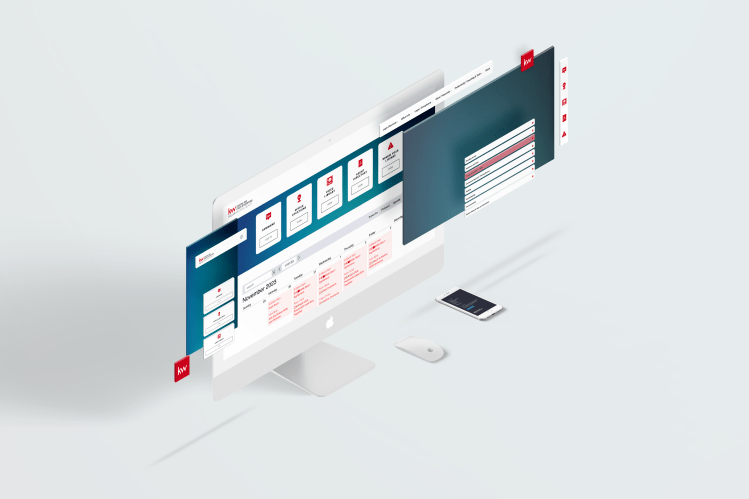
Internal Industry Hub
- Improved resource engagement
- Successful company-wide launch
- Rave customer reviews
Designed for:
Overview
KWCLM, a US top-200 real estate brokerage, creates top performing real estate agents through their nationally recognized sales enablement program, outperforming the average NAR Realtor by 12% in 2022.
This project successfully addressed a critical information gap through user-centered design, ultimately leading to improved agent experience and business outcomes.
Role
Lead
UX Research
UX Design
Visual Design
Platform
Figma
WordPress
Google Sites
Photoshop
Click Up
Team
Development Support: Melissa Burke
Content Support: Brittany Goodale, Tristan Andrews-Preston
Timeline
2022 Q3 – 2023 Q2
Problem
A brokerage is a real estate agent’s homebase, but this brokerage lacked a digital homebase for its 700+ agents distributed across northern New England.
- Confusing information flow led to poor client satisfaction and agent retention.
- Complex tech stacks and information overload caused confusion and reduced efficiency.
- Onboarding relied on analog communication, creating barriers for new agents.
Solution
I pitched the solution of a mobile-friendly internal website to unify resources and improve agent experience.
I was asked to head a Taskforce to create a working prototype that will require minimum build and hosting resources, and features:
- Links and information in one location
- Simple interface for ease of use
- Custom Google search bar (“Help Desk”) for easy access
- No-code for easy content updates by the brokerage team
- Accessible for all levels of digital literacy
Process
1. User Research
Before designing a new experience I researched: How do KWCLM Agents learn and manage the industry information and digital resources they need to do their jobs?
I conducted user research through interviews, observations, and surveys, and analyzed the results by creating maps of agents’ existing information ecosystem and customer journey. This research identified the agents’ key pain points:
- Complex tech stacks with multiple platforms (between 8-33)
- No unified system for navigating resources
- Individual agents managed information solutions alone
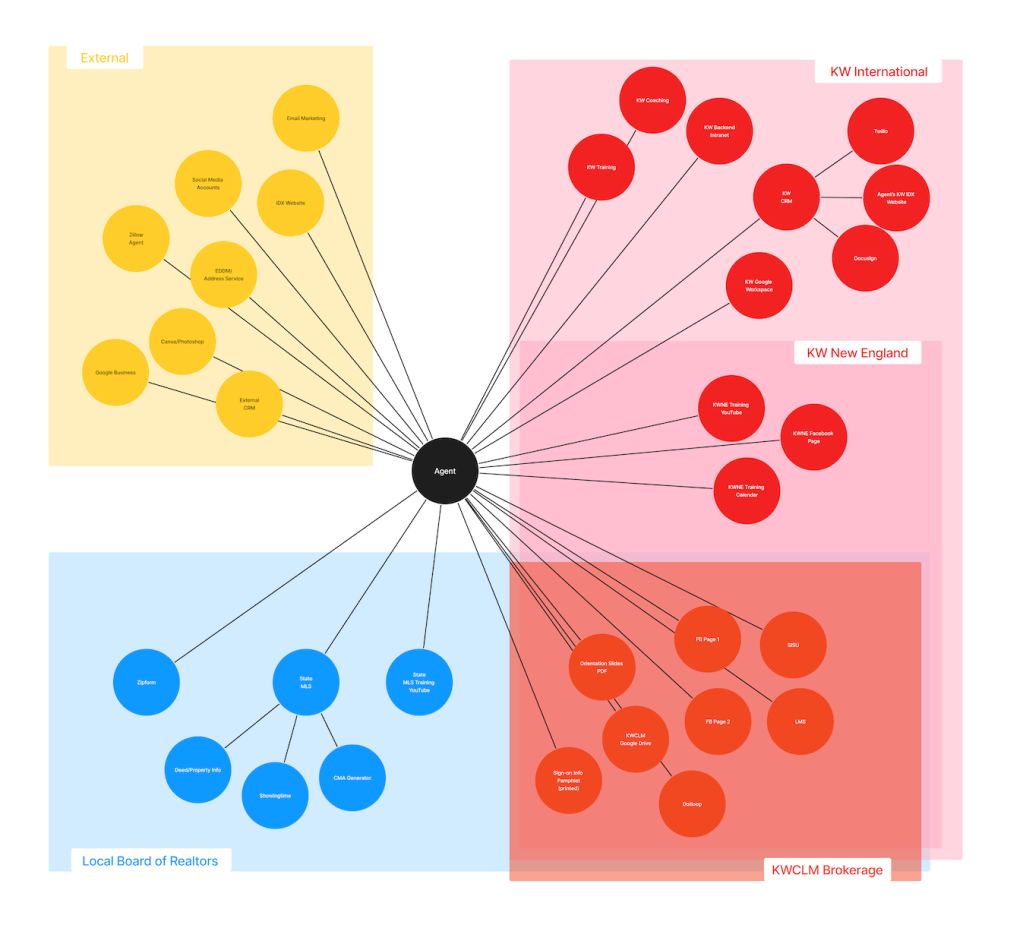
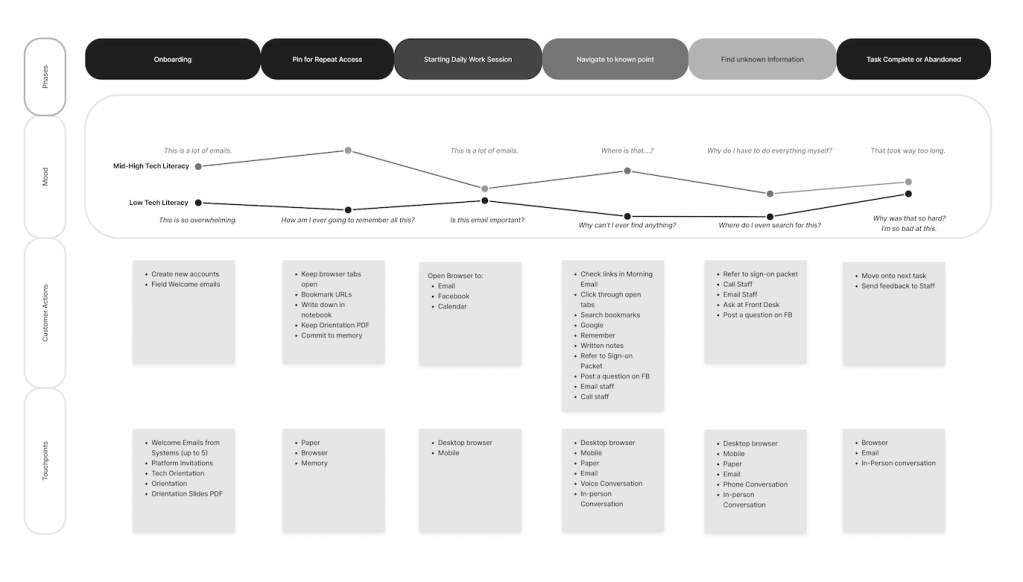
- Agents’ top information management method was keeping browser tabs open
- Technology literacy was a major determinant of success–and still did not improve Agents’ feelings about a mostly negative experience
- Analog communication during onboarding caused an early and sustained barrier to digital engagement
2. Prototype Development and Testing
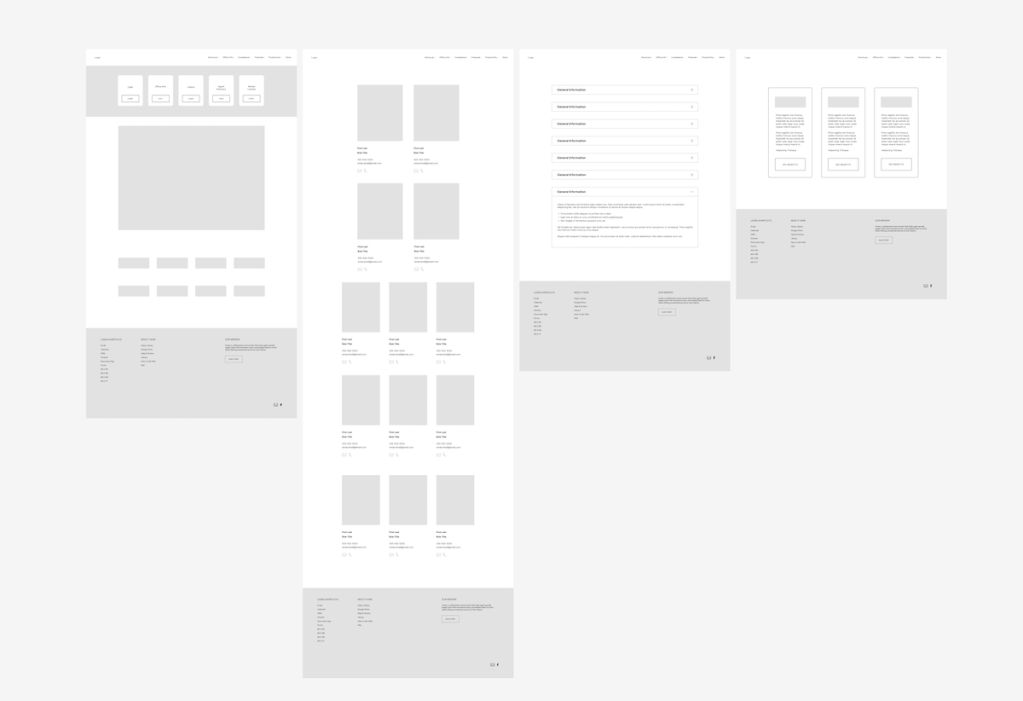
Together, the taskforce brainstormed an information structure which I synthesized into an Information Architecture:

I built a working prototype on Google Sites focused on simplicity and ease of access. The team and I soft-launched this prototype to a group of engaged Agents.

User testing identified initial usability issues:
- Google Site access limitations
- Confusing search bar feature (unused and undesired)
- Navigation too complex
- Some agents preferred in-person support
In addition, the prototype surfaced pushbacks from colleagues:
- Low confidence discussing site with Agents. After brainstorming the Team said, “Start at the Hub.”
- Different departments competed for visibility and edge-case features
3. Iteration and Final Design
Based on feedback, the team adopted a number of changes:
- Refined Information Architecture
- Redesigned navigation and clarified labels
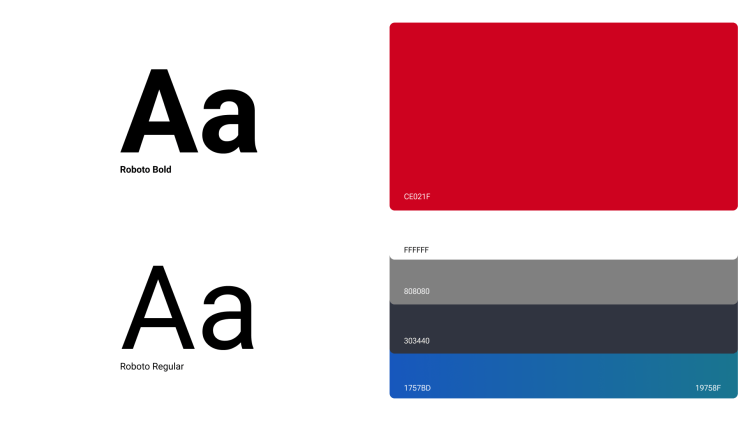
- Visual design more closely aligned with KW Brand Guidelines for cohesive look
- Platform switched to WordPress for improved access and updates
- Added use-case for Staff (replacing onboarding slides)
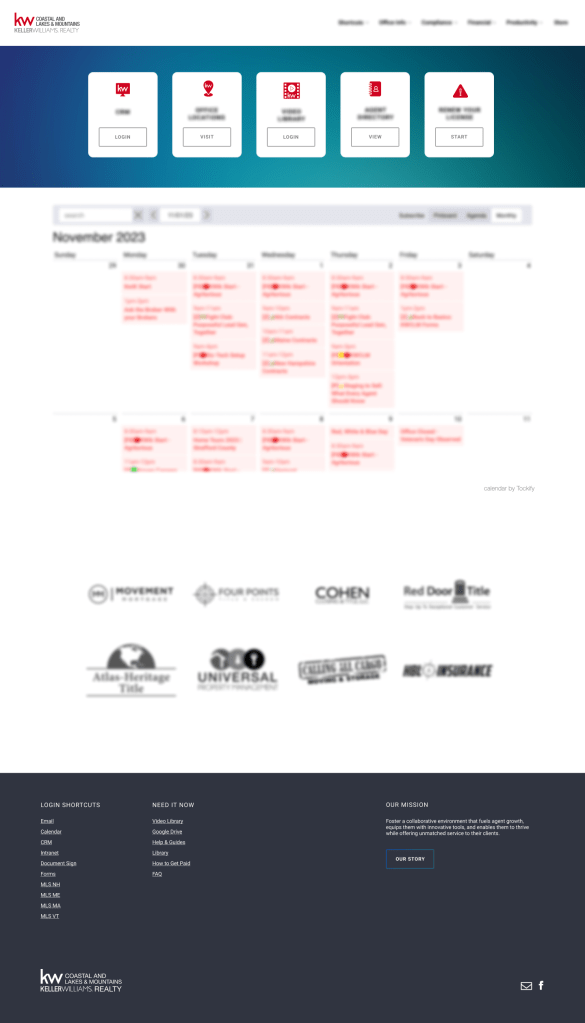
- Refined Features:
- Shortcut Login Links
- Live Calendar
- FAQs
- Quick Action Links
- Partner Affiliates Links
- Office and Compliance Process Information
- Sales Enablement Information
Visual Identity
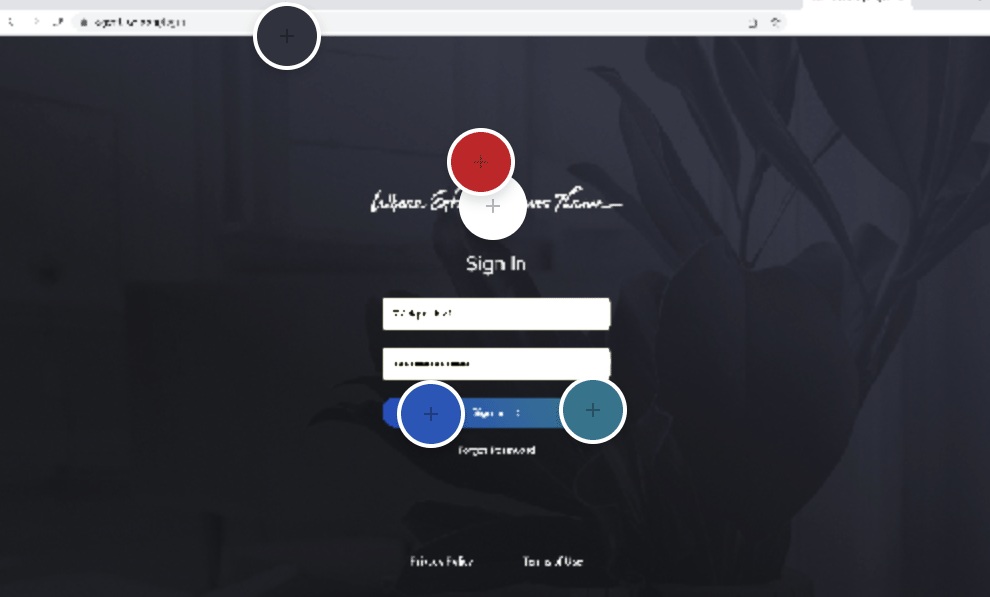
I drew visual inspiration from the KW CRM, using the brand and platform colors to create a cohesive visual environment.
“The hub is amazing! I can finally stop using the page I built myself to keep track of all this c**p. THANK YOU.” – KWCLM Agent
The Impact
- Reduced service ticket time for staff by estimated 25%
- Improved agent satisfaction and onboarding retention
- Team collaboration and ownership fostered by iterative development
Key Takeaways
Internal teams may prioritize features differently than end users. Focusing on solutions that address core user needs resulted in customer success.
Building team and user buy-in can be achieved through incremental feature implementation. The feature that initially united my team under one vision for the project ended up being the one none of our users wanted. By the time rave reviews came in, the team no longer minded that it wasn’t included in the final design.
 Zoe TL Kirkpatrick